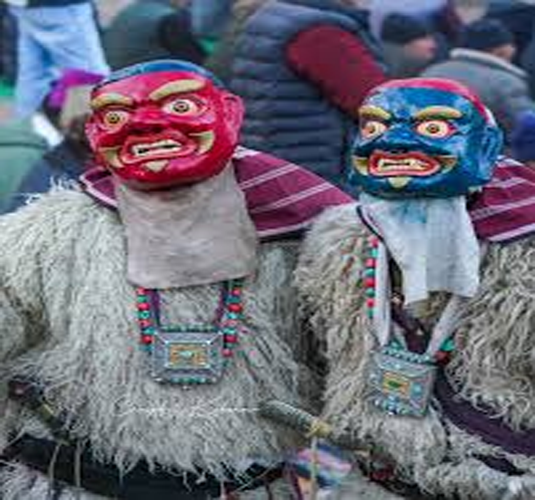
Celebrated with great fervour every year, the festivals of Ladakh are usually held in the courtyard of Buddhist monasteries. Monks wearing colourful robes and frightful masks perform cham (sacred mask dances). These cham represent the purification of mind and the triumph of good over evil. Festivals are traditionally celebrated to commemorate the birth anniversary of religious figures (Buddha, Padmasambhava, etc.) and other significant dates in the Buddhist calendar.
| Festival Name | Location | Year 2026 | Year 2027 |
|---|---|---|---|
| Spituk Gustor | Spituk Monastery | 16-17 Jan | 05-06 Jan |
| Dosmochey | Leh, Diskit, Likir | 15-16 Feb | 04-05 Feb |
| Stok Guru Tsechu | Stok Monastery | 25-26 Feb | 15-16 Feb |
| Matho Nagrang | Matho Monastery | 02-03 Mar | 19-20 Feb |
| Saka Dawa | All over Ladakh | 31 May | 18 Jun |
| Sindhu Darshan | Near Shey village | June | June |
| Yuru Kabgyat | Lamayuru Monastery | 13-14 Jun | 01-02 Jul |
| Hemis Tsechu | Hemis Monastery | 24-25 Jun | 13-14 Jul |
| Shachukul Kabgyat | Shachukul Monastery | 02-03 Jul | 20-21 Jul |
| Stongde Gustor | Stongde Monastery, Zanskar | 03-04 Jul | 21-22 Jul |
| Phyang Tsedup | Phyang Monastery | 12-13 Jul | 31-01 Aug |
| Karsha Gustor | Karsha Monastery, Zanskar | 12-13 Jul | 31-01 Aug |
| Korzok Gustor | Korzok Monastery | 17-18 Jul | 06-07 Aug |
| Takthok Tsechu | Takthok Monastery | 24-25 Jul | 11-12 Aug |
| Sani Naro Nasjal | Sani Monastery, Zanskar | 28-29 Jul | 16-17 Aug |
| Ladakh Festival | Leh | 21-24 Sep | 21-24 Sep |
| Diskit Gustor | Diskit Monastery | 08-09 Oct | 27-28 Oct |
| Thiksey Gustor | Thiksey Monastery | 28-29 Oct | 16-17 Nov |
| Chemrey Wangchok | Chemrey Monastery | 07-08 Nov | 26-27 Nov |
| Galdan Namchot | All over Ladakh | 03 Dec | 22 Dec |
| Losar (New Year) | All over Ladakh | 09 Dec | 28 Dec |
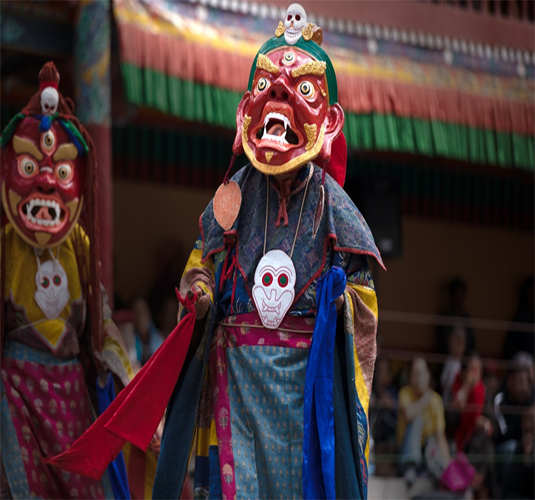
SpitukGustor Festival is one of the most important and sacred monastery festivals in Ladakh, celebrated at Spituk Monastery, near Leh. It is the first major festival observed after Losar (Tibetan New Year) and holds deep spiritual significance for the local Buddhist community. Despite the harsh winter cold, devotees and visitors gather to witness the festival’s main highlight—the rare public display of the giant thangka (sacred scroll painting) of Je Tsongkhapa, the revered founder of the Gelugpa sect of Tibetan Buddhism. This holy thangka is unveiled only once a year, making the festival a truly special occasion. During SpitukGustor, monks perform traditional Cham mask dances to invoke blessings and ward off negative forces. Devotees seek the blessings of powerful protector deities such as Mahakala and Sridevi, whose sacred faces are revealed exclusively during this festival. Key Highlights of SpitukGustor Festival Celebrated at Spituk Monastery, Ladakh First festival after Losar (Tibetan New Year) Unveiling of the giant Je Tsongkhapa Thangka Ritual Cham dances by monks Rare blessings of Mahakala and Sridevi A unique blend of Buddhist culture, spirituality, and tradition The SpitukGustor Festival offers travelers a rare opportunity to experience Ladakh’s living Buddhist heritage, making it a must-visit cultural event for those exploring Ladakh during winter.
The Dosmochey Festival is one of the most vibrant and spiritually significant festivals of Ladakh, marking the end of winter and the arrival of warmer days. Traditionally initiated by the royal family of Ladakh, this festival is deeply rooted in Buddhist rituals aimed at removing negativity and ushering in peace and prosperity. The main celebrations take place at the old temple below Leh Palace, where monks from various monasteries gather to perform mesmerizing Cham mask dances. These sacred dances symbolize the victory of good over evil and are a major attraction for both locals and visitors. A key ritual of the Dosmochey Festival involves the creation of Storma (dough idols) and thread crosses, which are ceremonially used to drive away evil spirits and negative forces. These rituals reflect ancient Buddhist traditions of purification and protection. Apart from Leh, the Dosmochey Festival is also celebrated at Diskit Monastery in Nubra Valley and Likir Monastery, making it a region-wide cultural event. Key Highlights of Dosmochey Festival Celebrates the end of winter and onset of spring Originated by the royal family of Ladakh Cham mask dances at the temple below Leh Palace Rituals using Storma (dough idols) and thread crosses Celebrated at Leh, Diskit, and Likir monasteries An important Buddhist cultural festival of Ladakh The Dosmochey Festival offers a fascinating glimpse into Ladakh’s spiritual traditions and is an ideal time to experience the region’s rich Buddhist culture.
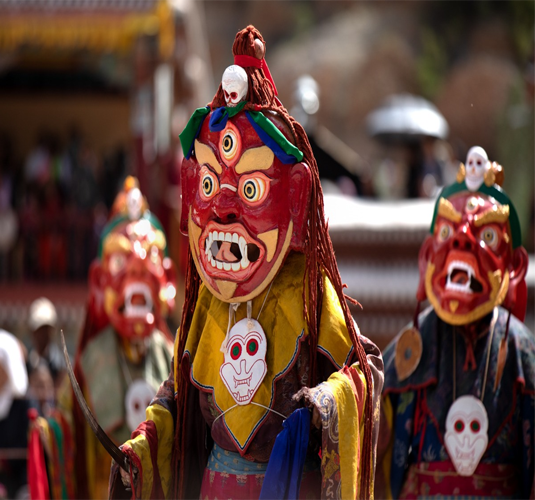
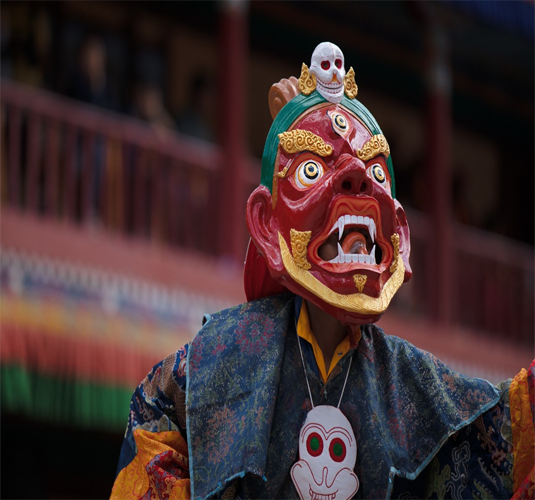
The Stok Guru Tsechu Festival is one of the most unique and spiritually powerful festivals of Ladakh, celebrated in Stok Village, the traditional seat of the Ladakhi royal family. This sacred festival is world-famous for its living oracles, making it unlike any other monastery festival in the region. The highlight of the festival is the appearance of oracles, who are not monks but laymen specially prepared through rituals by monks from Spituk Monastery. During the ceremonies, these oracles enter a trance-like state, allowing the spirits of protective deities to possess their bodies. In this state, they deliver prophecies and predictions for the coming year, which are deeply respected and closely followed by the local community. Alongside the oracle rituals, the festival features traditional Cham mask dances, prayers, and offerings, creating a powerful spiritual atmosphere. The presence of the royal family of Stok further enhances the cultural importance of the event. Key Highlights of Stok Guru Tsechu Festival Celebrated in Stok Village, near Leh Held at the residence of the Ladakhi royal family Famous for its living oracles and prophecies Oracles prepared by monks of Spituk Monastery Predictions for the coming year followed by local communities A rare blend of Buddhist rituals, mysticism, and culture The Stok Guru Tsechu Festival offers travelers a rare opportunity to witness Ladakh’s mystical spiritual traditions and is a must-experience event for those interested in Buddhist culture, local beliefs, and Himalayan festivals.
The MathoNagrang Festival, widely known as the “Festival of Oracles,” is one of the most mysterious and spiritually powerful festivals of Ladakh. It is celebrated at Matho Monastery, located along the Indus River, and is renowned for its sacred oracle (Rongtsang) tradition. During the festival, the spirits of protective deities are believed to possess the bodies of two specially chosen monks. After undergoing months of intense meditation, isolation, and spiritual preparation, these monks enter a trance-like state and deliver prophecies and predictions for the future of the village and region. Despite the extreme winter cold, local residents gather in large numbers at the monastery to listen attentively to these sacred predictions, which are held in deep reverence and strongly influence community decisions for the coming year. Key Highlights of MathoNagrang Festival Celebrated at Matho Monastery, Ladakh Known as the legendary Festival of Oracles Rongtsang (oracles) possess two chosen monks Months of meditation and spiritual preparation Sacred prophecies for the village and region One of Ladakh’s most intense winter monastery festivals The MathoNagrang Festival offers a rare glimpse into Ladakh’s ancient spiritual beliefs and is a must-experience event for travelers interested in Buddhist mysticism, oracle traditions, and Himalayan culture.
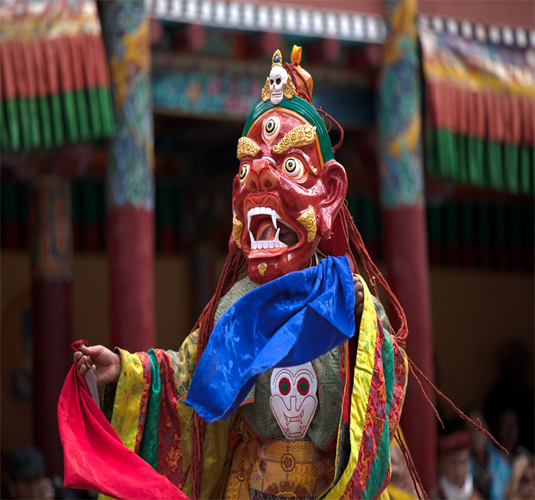
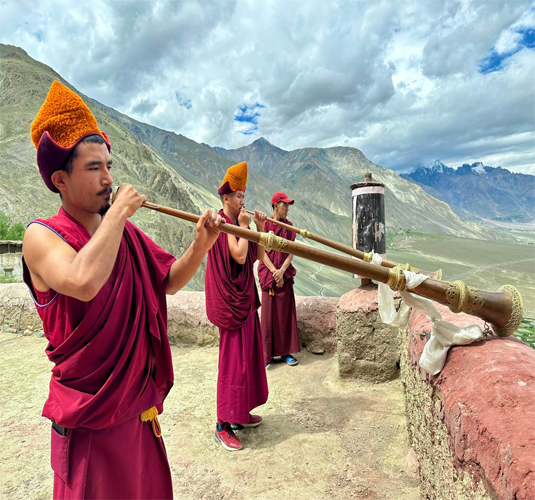
Saka Dawa, also known as Buddha Purnima, is the most sacred festival in Ladakh, commemorating the birth, enlightenment, and Mahaparinirvana (death) of Lord Buddha. Observed on the full moon day of the Tibetan lunar month of Saka, this auspicious occasion holds immense spiritual importance for Buddhists across the Himalayas. The central highlight of Saka Dawa in Ladakh is the Bhumskor procession, a grand and colorful religious walk through the streets of Leh. During this procession, monks, students, and devotees carry sacred Buddhist scriptures, prayer flags, and beautifully adorned thangkas, while chanting prayers and mantras. The procession concludes at the Polo Ground in Leh, where lar… [1:16 pm, 5/2/2026] Zanskar Kanishka Expeditions: HemisTsechu Festival The most popular monastic festival for tourists, it celebrates the birthday of Guru Padmasambhava. It is home to the world’s largest thangka, which is unveiled once every 12 years (next in 2028). The courtyard fills with the sound of traditional music and the sight of rhythmic cham dances.
Hemis Tsechu Festival – Ladakh’s Grand Celebration of Faith & Culture Hemis Tsechu is the most famous and widely celebrated monastic festival in Ladakh, held annually at the iconic Hemis Monastery, located about 45 km south-east of Leh. This vibrant festival commemorates the birth anniversary of Guru Padmasambhava (Guru Rinpoche), the revered saint who introduced Tantric Buddhism to the Himalayan region. Celebrated with great devotion and color, Hemis Tsechu attracts monks, locals, and visitors from across the world, making it one of Ladakh’s biggest cultural highlights. Festival Highlights The main attraction of Hemis Tsechu is the spectacular Cham masked dances, performed by monks in elaborate silk costumes and striking masks representing wrathful and peaceful deities. These sacred dances symbolize the triumph of good over evil, the removal of negative forces, and spiritual awakening. A special highlight of the festival is the unveiling of the giant sacred Thangka (thankga) of Guru Padmasambhava - regarded as the largest thangka in the world. This rare display takes place once every 12 years, drawing thousands of devotees seeking blessings. Spiritual & Cultural Significance Hemis Tsechu is not just a visual spectacle; it is a deeply spiritual event: Ritual prayers and ceremonies are performed to promote peace, prosperity, and protection Monks play traditional instruments like long horns, drums, and cymbals Locals dress in traditional Ladakhi attire, creating a festive and joyful atmosphere The festival reflects Ladakh’s rich Buddhist heritage, centuries-old traditions, and strong community spirit
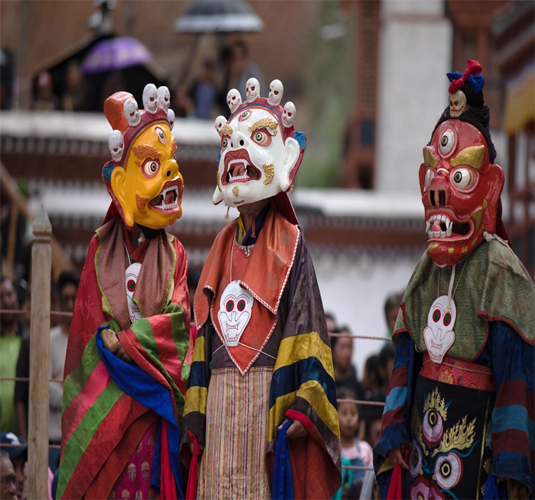
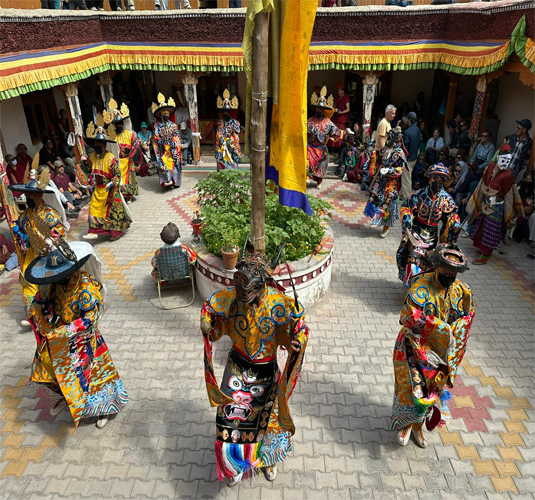
The Sani NaroNasjal Festival is one of the most unique and culturally rich festivals of Zanskar, celebrated at Sani Monastery, the oldest monastery in the region, with origins dating back to the Kanishka Empire. This rare festival beautifully blends ancient Buddhist traditions with local community customs. What sets this festival apart is its distinctive ritual in which newlywed brides perform traditional dances, symbolizing prosperity, harmony, and blessings for married life. Another major highlight is the ceremonial unveiling of the sacred statue of Yogi Naropa, a revered Buddhist saint closely associated with the monastery. The festival concludes with a heartwarming community ritual where villagers offer traditional khataks (ceremonial scarves) to the newly married couples, wishing them happiness, longevity, and good fortune. Key Highlights of Sani NaroNasjal Festival Celebrated at Sani Monastery, Zanskar One of the oldest monasteries, dating back to the Kanishka Empire Traditional dances performed by newlywed brides Sacred unveiling of the statue of Yogi Naropa Community blessings with khataks A rare blend of Buddhist heritage and local Zanskari culture The Sani NaroNasjal Festival offers travelers a rare opportunity to witness ancient Himalayan traditions and experience the deep-rooted cultural life of Zanskar Valley.
Stongdey Monastery dates back to 1052 AD, founded by the Tibetan Buddhist master Lama LhodakMarpaChoskiLodos. It belongs to the Gelugpa (Yellow Hat) tradition of Tibetan Buddhism, which also emphasizes monastic discipline and philosophical study. The name Gustor translates roughly to “Sacrifice of the 29th day” in Tibetan lunar calendar terms, signifying rituals tied to purification and spiritual renewal. Main Highlights & Rituals Cham Dances (Masked Ritual Dances) The festival’s centerpiece is the Cham, a series of deeply symbolic masked dances performed by the monastery’s monks. Each mask and costume reflects a Buddhist deity or mythological figure. The performances depict the victory of good over evil, spiritual protection, and moral teachings from Buddhist lore. Ritual Ceremonies Monks conduct prayers, protective rites, blessings, and purification rituals throughout the day. These are meant to bless the community, drive away negativity, and inspire spiritual renewal. Community Gathering Local villagers and devotees from neighbouring areas gather in traditional attire. The atmosphere is vibrant with devotional chants, prayer flags, and shared celebration - bridging spirituality and cultural identity.
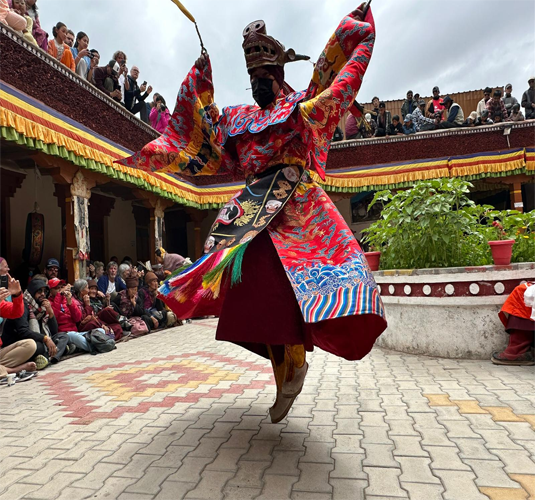
Losar is the most awaited two-week celebration. Families visit friends and monasteries to make offerings. It represents the symbolic beginning of the new year, where people from all religions in Ladakh unite to celebrate with butter lamps and mouth-watering delicacies.
Our guests' words are the most honest reflection of the experiences we craft in the wild heart of Ladakh.