An epic journey through the most remote corridors of Ladakh and Zanskar - ancient passes, canyon gorges, sacred cave monasteries, and Himalayan peaks at every horizon.
The Kanji to Zangla via Nerak trek is one of the most extraordinary long-distance treks in the Indian Himalayas. Over 21 transformative days, you journey from the ancient crossroads of Leh through rugged gorges, high mountain passes, isolated villages, and sacred Buddhist Monasteries - most of which see only a handful of trekkers each season.
Beginning with an acclimatization drive through Lamayuru and Alchi, the trail ascends to Kanji La Pass (5,150m) before descending into the surreal canyons of Nerak, traversing the dramatic Labarla and Namtse La passes, and tracing the Zanskar River to Phuktal Monastery - a cave-built marvel of Tibetan Buddhist architecture. The route concludes with a drive through the Suru Valley back to Kargil and Leh.
This trek is not just a physical challenge; it is a deep cultural immersion. Interact with semi-nomadic communities, witness monks performing ancient rituals, spot snow leopards in the wild, and fall asleep to silence under a canopy of Himalayan stars. Guided by Zanskar Kanishka Expeditions' local experts - many of whom grew up in these valleys - every step of the way is safe, supported, and profoundly meaningful.
Beyond the distance and altitude, this trek delivers moments of beauty and culture that stay with you long after you return home.
Cross Kanji La (5,150m), Pikdongla (4,895m), Barmila, Labarla (4,925m), Namtse La & Stong De La - each offering breathtaking panoramic views of the Zanskar range.
Sleep inside the historic Phuktal Monastery - a once-in-a-lifetime experience in a living cave monastery dating back to the 12th century.
Trek through canyons, gorges, and river valleys that see very few visitors. Marvel at turquoise streams, ancient wooden bridges, and vertical canyon walls.
The Phuktal and Tsarap river valleys are prime snow leopard territory. Also spot wolves, blue sheep (bharal), and Himalayan eagles along the route.
Visit remote villages like Dipling, Lingshed, Shaday, and Youlchung - where locals live as they have for centuries, harvesting crops and herding livestock.
At elevations above 4,000m, far from light pollution, the night skies of Zanskar offer some of the most spectacular stargazing in all of Asia.
Click the map to view a larger version of the complete 21-day route.
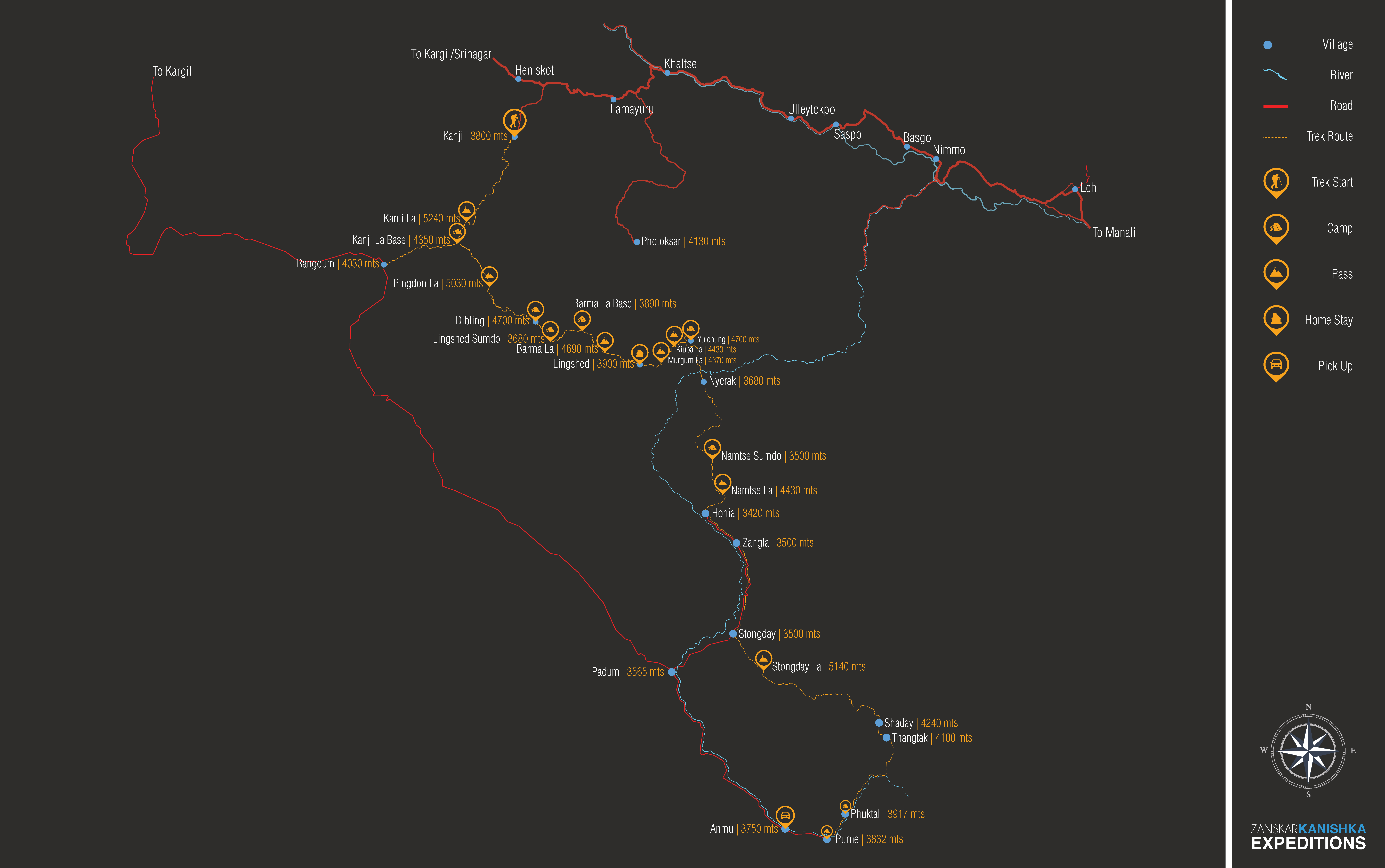
Click the map to enlarge — full 21-day route from Leh to Kargil via Kanji La, Nerak, Zanskar Valley, and Phuktal
Click any day to expand the full description. Every stage has been carefully designed for acclimatization, safety, and maximum experience.
After arriving in Leh, take a full day to acclimatize before beginning the journey. The following morning, depart after a hearty breakfast for the scenic 6-hour drive to Kanji Village (3,875m). En route, explore two of Ladakh's most celebrated landmarks:
Also known as the "Place of Freedom," this 10th-century monastery belongs to the Drikung Kagyu school of Tibetan Buddhism. Founded by the renowned Indian scholar Naropa, it once housed 400 monks. Today, approximately 50 monks reside here, preserving centuries of Buddhist art, manuscripts, and tradition. The monastery hosts an annual Yuru Kabgyat festival featuring traditional mask dances as offerings to Lord Buddha.
A UNESCO-recognized cultural heritage site, Alchi Monastery was built by the great Buddhist translator Richen Zangpo in the 11th century. Its exquisitely preserved murals, stucco sculptures, and mandala paintings - untouched by the passage of time - make it one of the most important early Buddhist art sites in the Himalayan world. Lunch is arranged in Khaltse village before continuing to Kanji. Upon arrival, meet yOur trekking crew and rest overnight.
Begin your trekking adventure on this manageable first stage. The trail winds through water gorges and past seasonal nomadic encampments, giving you your first taste of Ladakh's remote inner landscape. Your guide will brief you on trail safety and acclimatization as you make your way steadily up to the Kanji La Base Camp. Camp overnight and prepare for the highest pass of the trek.
Today you cross Kanji La Pass (5,150m) - the highest and most demanding point of the entire trek. A challenging three-hour ascent rewards you with sweeping views of the Zanskar mountain range and the dramatic twin peaks above the valley. After taking in the panorama, descend steeply for three hours to the Rangdum River. Camp by the river, enjoy a warm meal, and gather energy for the days ahead.
Cross the Rangdum River and hike along the right side of the valley for three hours before ascending to Pikdongla Pass (4,895m). From the pass, the beautiful Dipling valley unfolds below. A dramatic 3,000ft descent leads you into Dipling - a scenic campsite enclosed by rock walls. If you're fortunate, you may spot fresh wolf tracks along the morning trail. Overnight camp at Dipling.
Explore the lush, green Dipling village - known for its adherence to the Gelugpa (Yellow Hat) school of Buddhism, founded by Tsongkhapa. The trail passes through the village and crosses multiple river junctions - known in Ladakhi as Sumdo. Reach Sumdo (3,870m), the base camp for Barmila Pass, in approximately five hours. Camp overnight here.
Trek to Lingshed, one of the most remote villages in Ladakh, via Barmila Pass (4,680m). A three-hOur climb to the pass offers aerial views of the snow-capped mountains and the Lingshed Monastery nestled in the valley below. A steep, careful descent leads through village fields and houses to the campsite at Lingshed (4,010m) - with the magnificent backdrop of the monastery illuminated at dusk.
A demanding day with two passes to cross - Murgumla Pass (4,310m) and Kiupala Pass (4,465m). The path begins from the monastery itself, passing ancient chortens. After crossing Murgumla, descend into the Kyumpata hamlet, then cross the river and climb to Kiupala. On the descent, discover the small hamlet of Youlchung, which becomes your campsite for the night - a true gem of the Zanskar interior.
One of the most challenging days of the trek - and one of the most visually rewarding. Leaving Youlchung's traditional stone houses, the trail ascends through a narrow gorge past rolling hillsides to Chuchokhuri La (13,140ft / ~4,005m). The descent involves a twisted, switchback path requiring careful footing. Below, a turquoise tributary meets the Zanskar River, crossed via an ancient wooden bridge - a moment that feels suspended in time. After reaching Nyerak Village, continue upward along a disused watercourse to your campsite at Labarla.
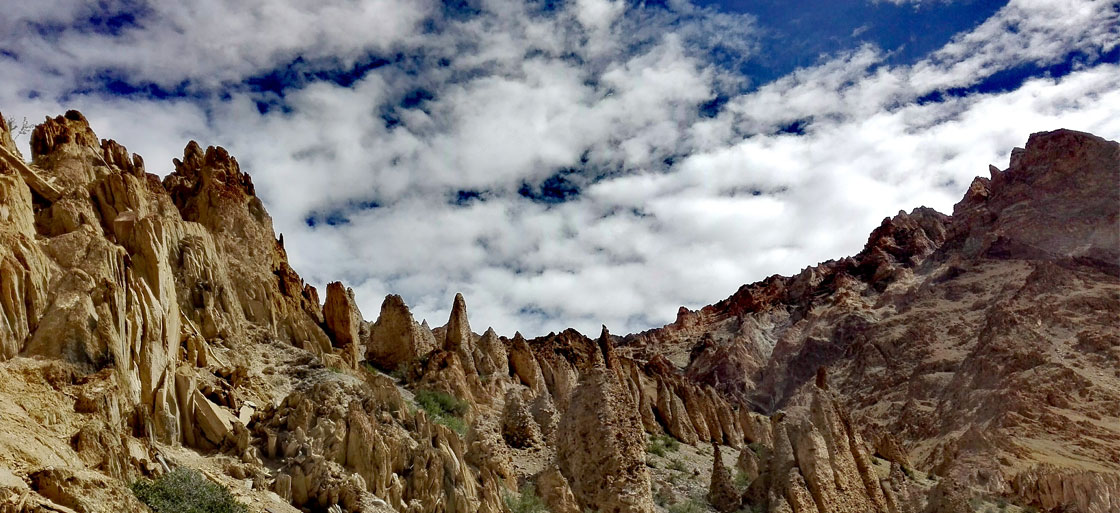
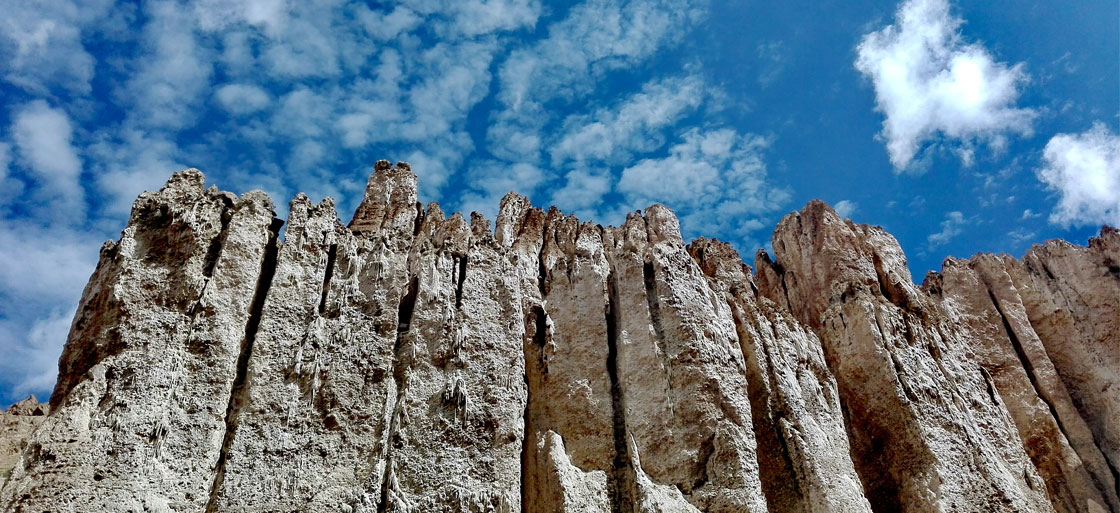
Today's trek crosses the Labarla Pass (4,925m) through steep cliffs and narrow ridge paths. Two striking white cliffs - appearing as if split by a giant axe - flank the trail. Beyond the pass lies a valley with a sparkling river and dramatic pinnacles. Further on, a remarkable animal-width canyon, 200 yards long with vertical sides, channels the river through pure rock. The descent concludes at Namtse Sumdo, where you'll camp alongside one of the trek's most dramatic mountain panoramas.
Cross the Namtse La Pass, hemmed by giant cliffs and a trail that demands careful, deliberate footwork. After 3.5 hours on the pass, descend and stop for lunch before approaching Honia - a captivating settlement of stone-built yak pens, deep gorges, and even a traditional wolf/bear trap. Welcome to Zanskar proper! The distant hum of a road signals civilization ahead. Camp at Honia and reflect on reaching the halfway mark of this extraordinary journey.
A shorter day offering a gentle descent into the Zanskar Valley to reach Zangla - a historic settlement known as the seat of the ancient Zangla Kingdom. The short but scenic walk provides breathing room after the demanding passes of the previous days. Rest and explore Zangla before the next stage of the journey begins. Overnight camp at Zangla.
Trek along a relatively flat trail through the Zanskar Valley to reach Stongday (Stongde). The monastery here - built in the 11th century, 18km north of Padum - is home to around 60 monks and offers panoramic views across the Rinam and Kumik villages near Padum. The final climb to the monastery is steep but brief, and the reward is an unforgettable evening silhouette against the Himalayan skyline. Camp near the monastery.
A well-earned rest day at Stongday. Use the time to explore the village, observe monks in their daily routines, taste local Zanskari cuisine, and simply absorb the tranquility of this mountain community. This cultural pause is an essential part of the journey - allowing both body and mind to recover for the challenging stages ahead.
Begin with a long, four-hour uphill climb to Stong De La Pass (4,850m). Wildlife sightings are common at this altitude - look out for blue sheep and mountain foxes. From the summit, descend to Doksa (literally "the shepherd's hut") - a nomadic encampment used by herders during the rearing season. Camp here with a beautiful view of the surrounding pastoral landscape.
One of the most memorable days of the entire trek. The trail descends along a valley with numerous glacial stream crossings - the ice-cold water refreshing and exhilarating in equal measure. Allow approximately four hours to cross the valley and its streams before climbing slightly to reach the scenic campsite at Shaling - a peaceful, picture-perfect spot surrounded by dramatic mountain walls.
Begin the morning with Himalayan views over breakfast. The trail descends to a river before arriving at Shaday Village - one of the most isolated settlements on the route. Cross a moveable bridge and wander through the village, where locals harvest potatoes and tend to their livestock, largely undisturbed by the outside world. Continue walking to Thangtak, a tiny family hamlet, and camp on the riverside.
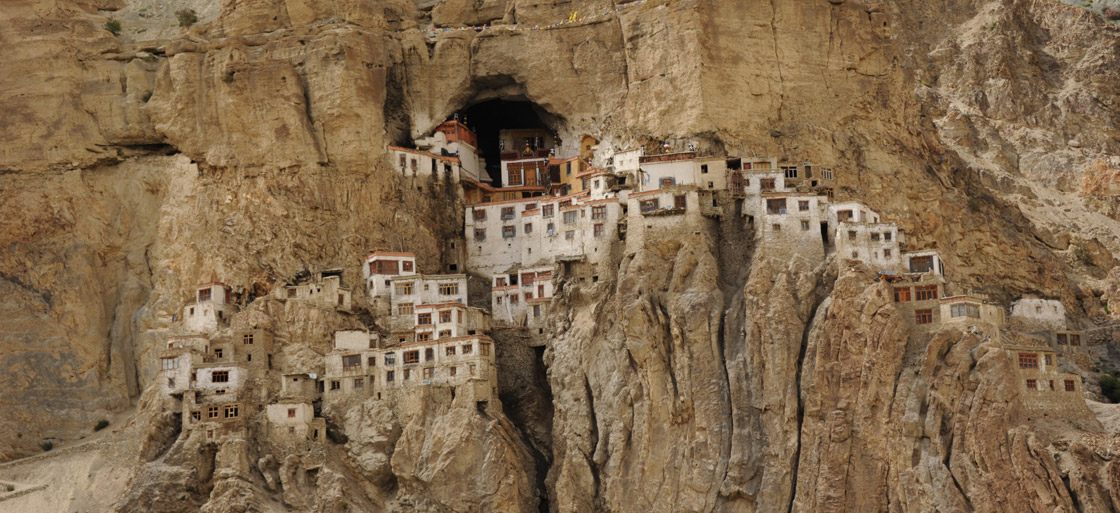
This is the undisputed highlight of the entire expedition. From Thangtak, follow the Tsarap River as it leads you to one of the most extraordinary monasteries in Asia - Phuktal Monastery. Built into a cliff-face cave by Changsem Zangpo (a disciple of the founder of the Gelugpa sect) in the 12th century, Phuktal is an architectural and spiritual wonder. The monastery is still inhabited by around 70 monks. Snap snow leopards if you're fortunate - the valley is their prime territory. Tonight, uniquely, you will sleep inside the monastery.
The last full day of trekking. Follow the road connecting Phuktal to the Anmu Village, passing through the small, charming Cha Village. Arrive at Anmu Village and camp overnight - a reflective, emotional ending to the trail portion of this extraordinary journey.
A short three-hour drive to Padum, the administrative capital of Zanskar. En route, visit the Muny Monastery and Barden Monastery. Spend the rest of the day at leisure in Padum - explore the market, interact with locals, or simply rest. Overnight in Padum.
A long but spectacular drive via the Penzi La Pass and the magnificent Drang Drung Glacier - one of the largest glaciers outside the polar regions. Visit Rangdum Monastery on the way and pause at the iconic Nun Kun Viewpoint to photograph the twin peaks. Drive through the picturesque Suru Valley before arriving in Kargil for the night.
Rise early for a final scenic drive back to Leh. Stop at Lamayuru Monastery on the return - viewing it now with fresh eyes after 21 days in the wilderness. Lunch at Khalatse, sampling traditional Ladakhi dishes. Arrive in Leh by afternoon, carrying memories that will last a lifetime. This 21-day journey is not just a trek - it is a transformation. Every hardship is repaid a thousandfold in beauty, culture, and the profound stillness of the Himalayan world.
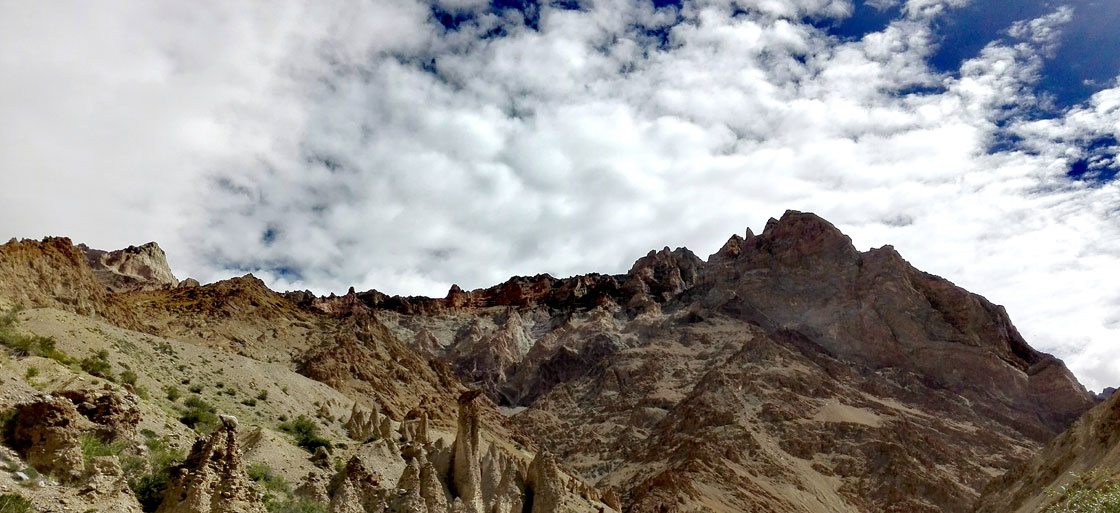
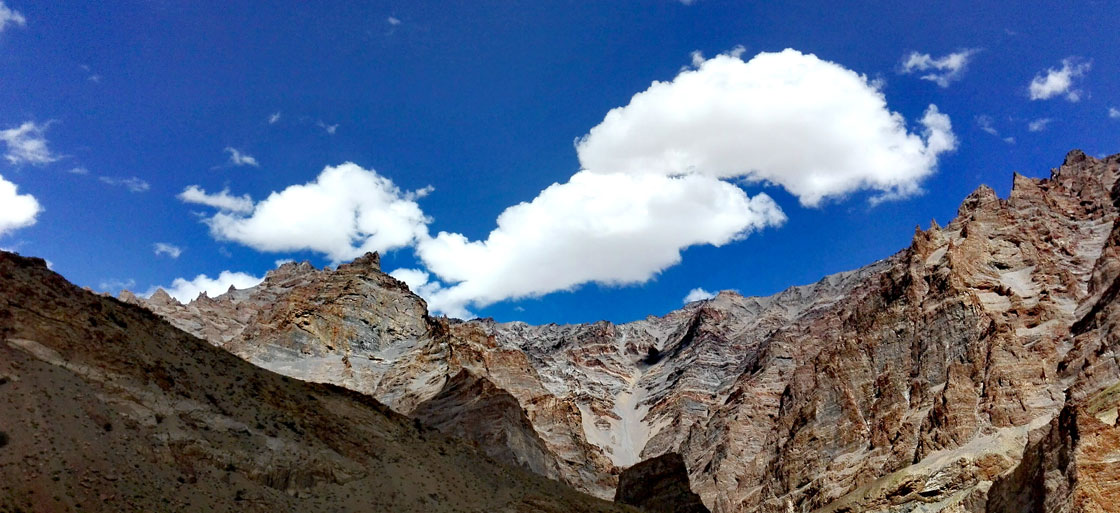
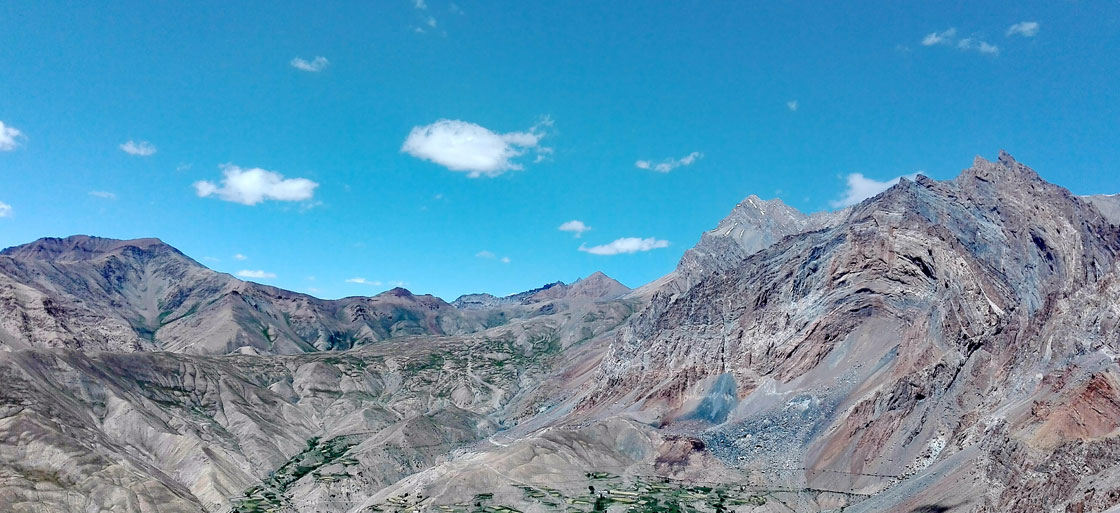
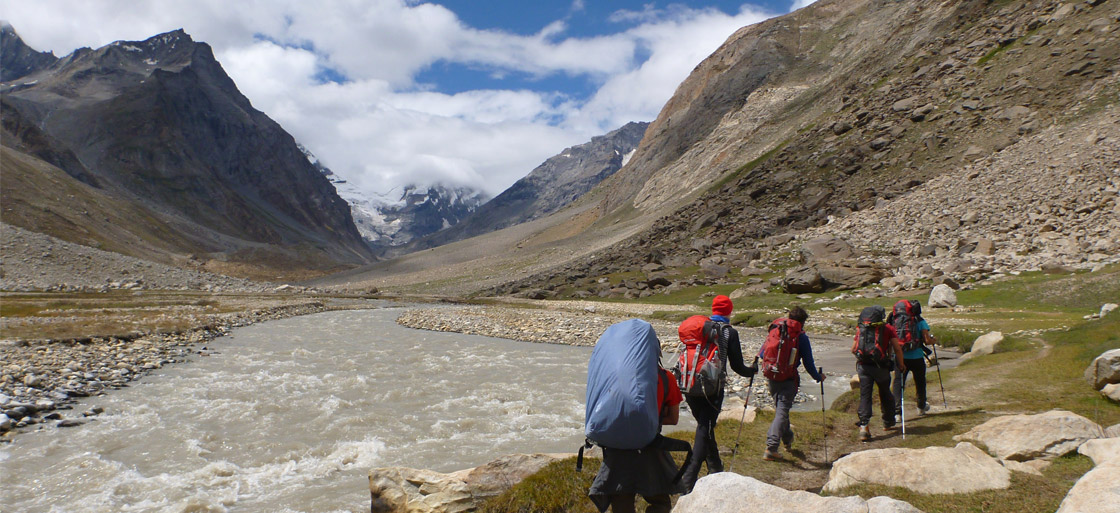
A glimpse of the landscapes, monasteries, and wild beauty you'll encounter on the Kanji–Zangla via Nerak trek.
Real words from trekkers who have completed this extraordinary journey with Zanskar Kanishka Expeditions.