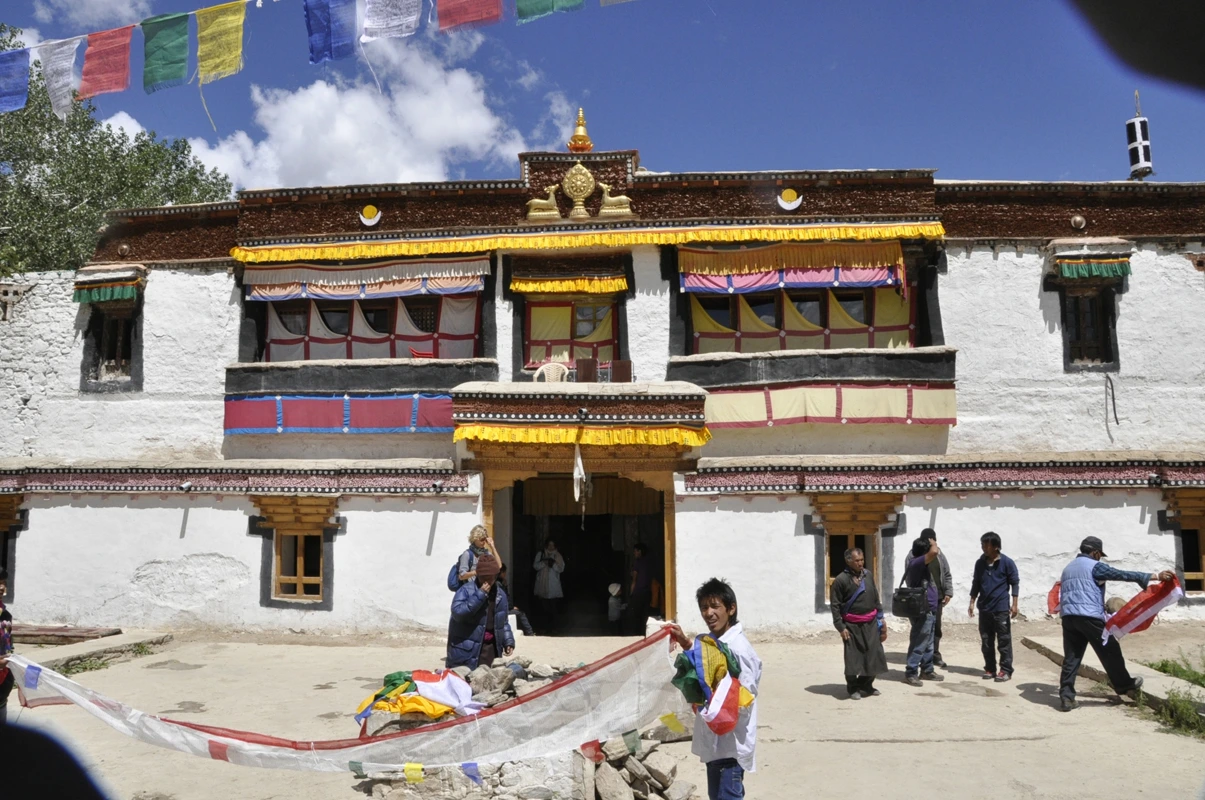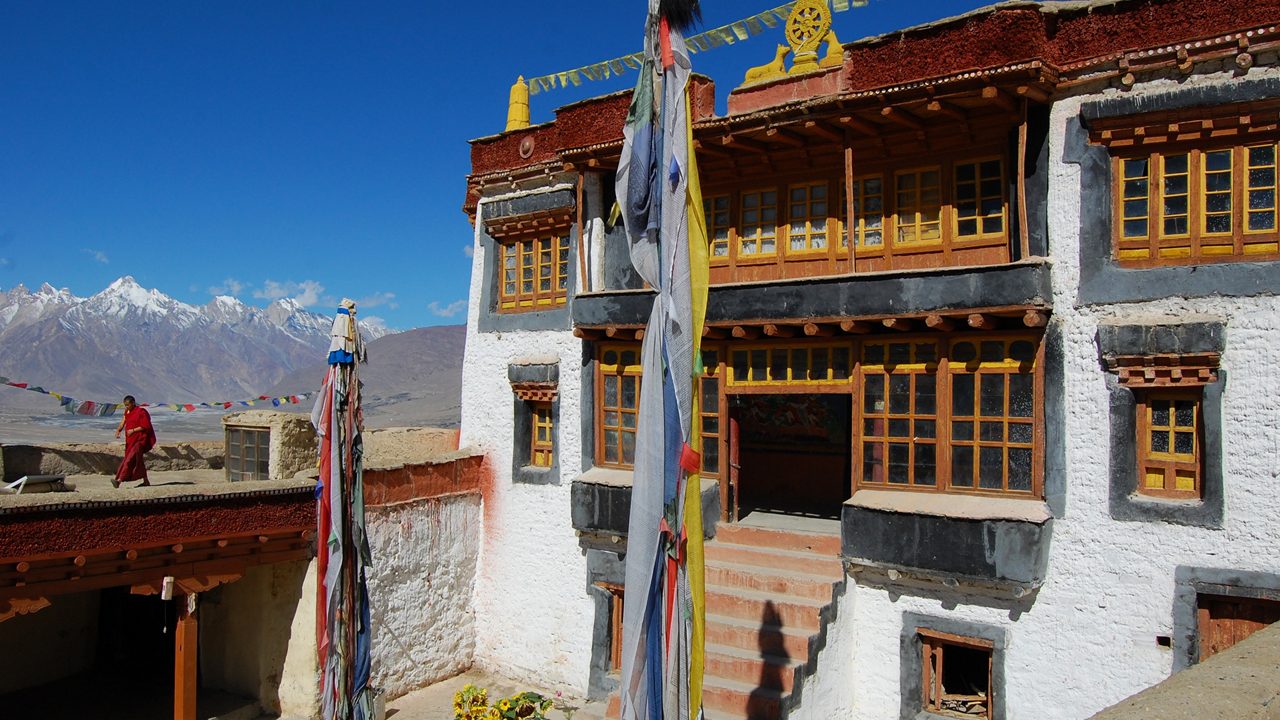
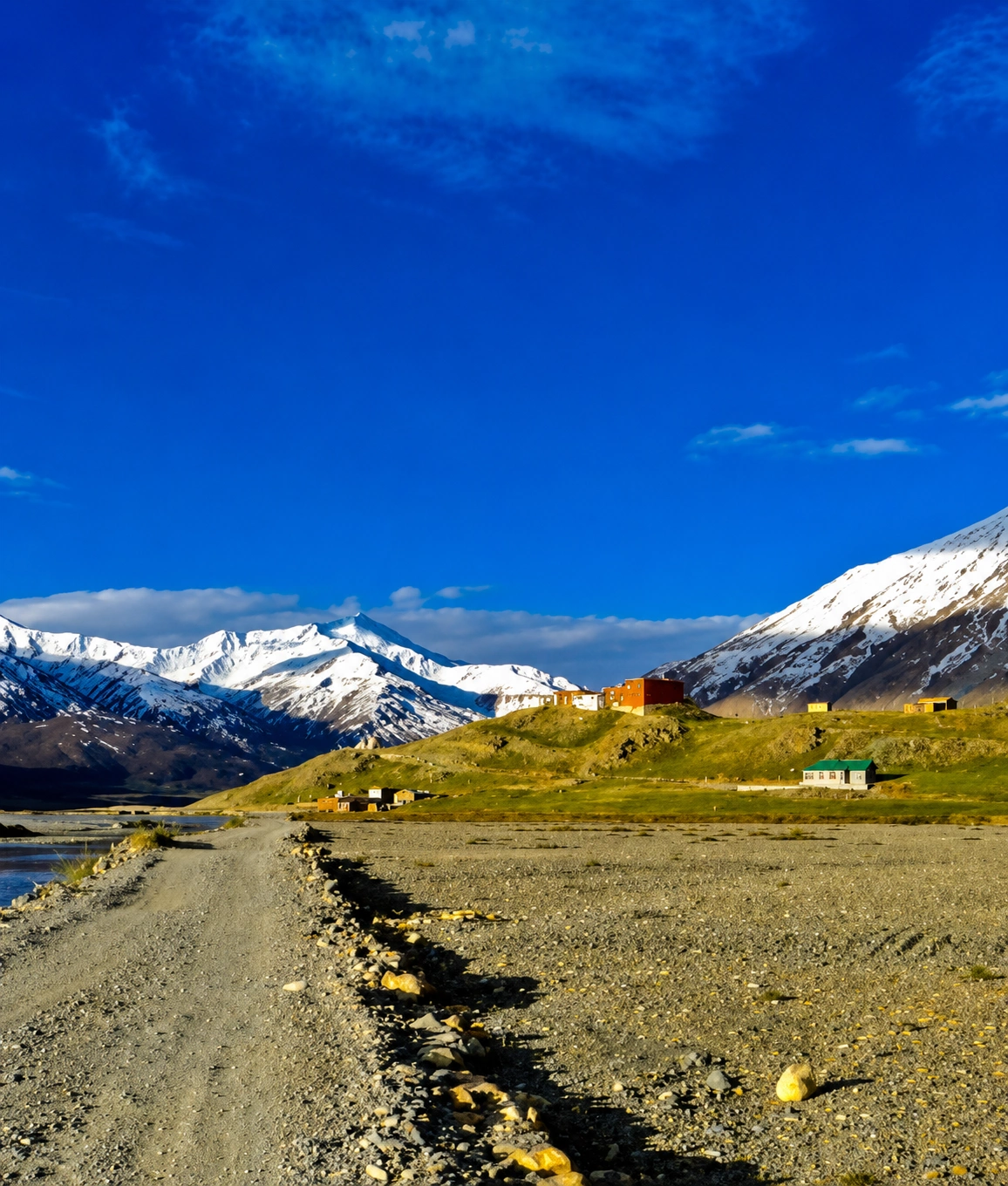
The Zanskar Valley is home to some of the most architecturally daring and spiritually profound monasteries in the Himalayas. Often perched on dizzying cliffs or tucked into remote gorges, these Gompas serve as the heartbeat of Zanskari culture, preserving ancient Tibetan Buddhist traditions, sacred murals, and a way of life that has remained unchanged for centuries.
Situated at 3,657 meters, Rangdum Monastery acts as a cultural bridge between the Suru and Zanskar Valleys. Perched atop a small hill like a fortress, this 200-year-old Gelugpa sect monastery houses a fascinating collection of statues and ancient scriptures. Surrounded by glaciers and barren landscapes, it is a haven of spiritual solitude and a gateway for treks through the breathtaking Kanji Valley.
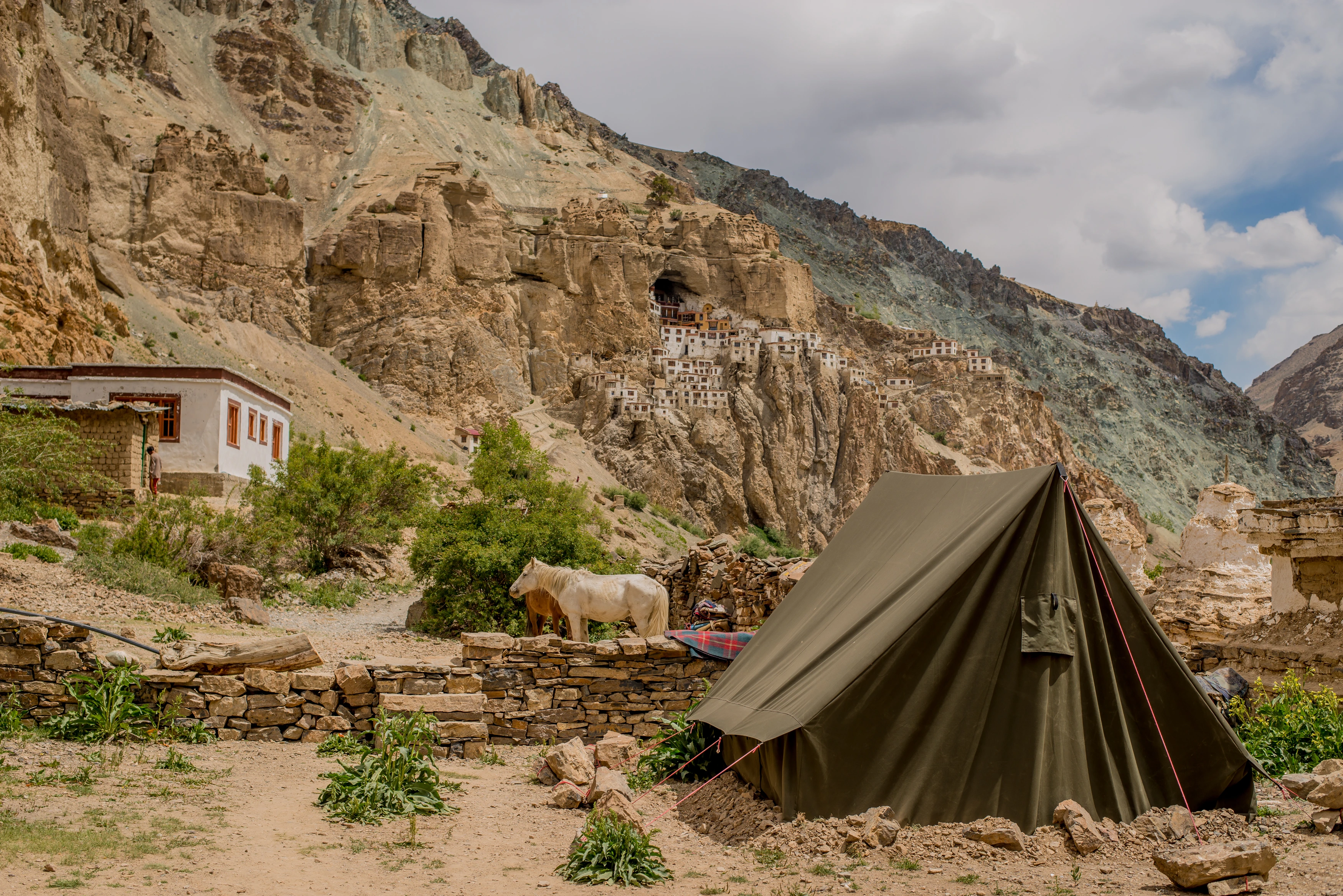
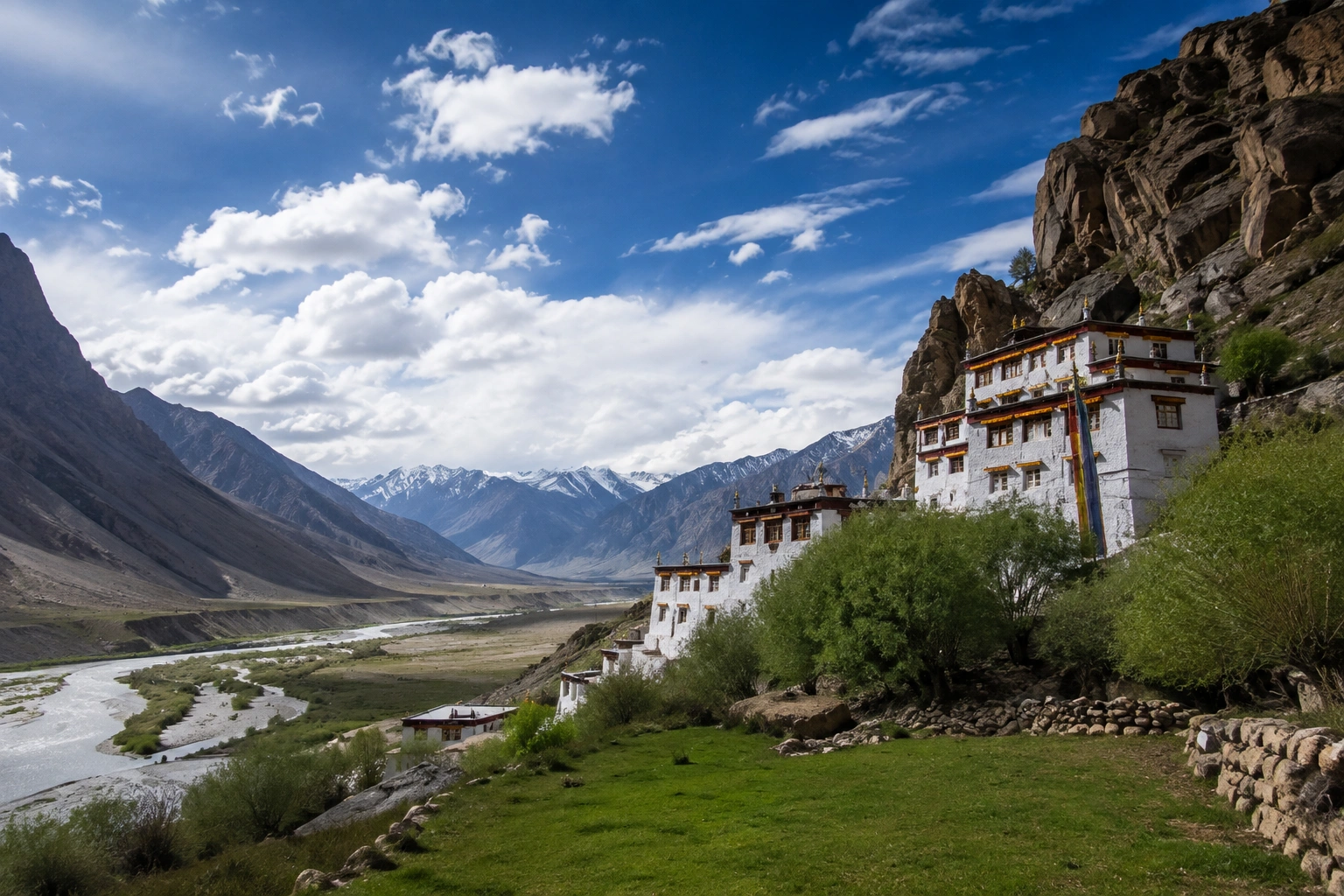
Carved into a rugged cliffside in a remote gorge, Phuktal Monastery is famous for its iconic honeycomb structure. Built around a natural cave, it has been a center for meditation for over 2,500 years. Accessible only by foot, the monastery pulsates with life during festivals like Gustor. It houses six significant shrines, including the ancient Mahakala Temple (Gonkhang) with its intricate frescoes.
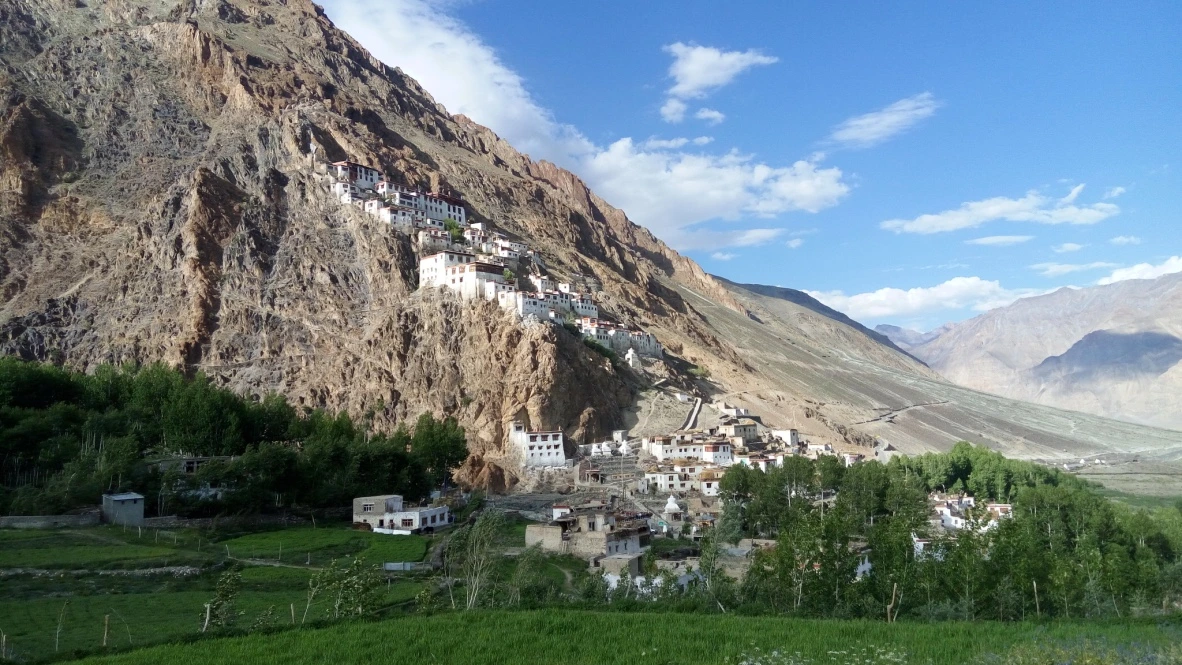
Founded in the 11th century, Karsha Monastery is a sprawling complex overlooking the Stod River. It houses eight temples and residential quarters for nearly 150 monks. The assembly halls are adorned with vibrant murals and Thangkas. Its annual Gustor Festival in July features the famous masked Cham dances, celebrating the victory of good over evil against a backdrop of pristine glaciers.
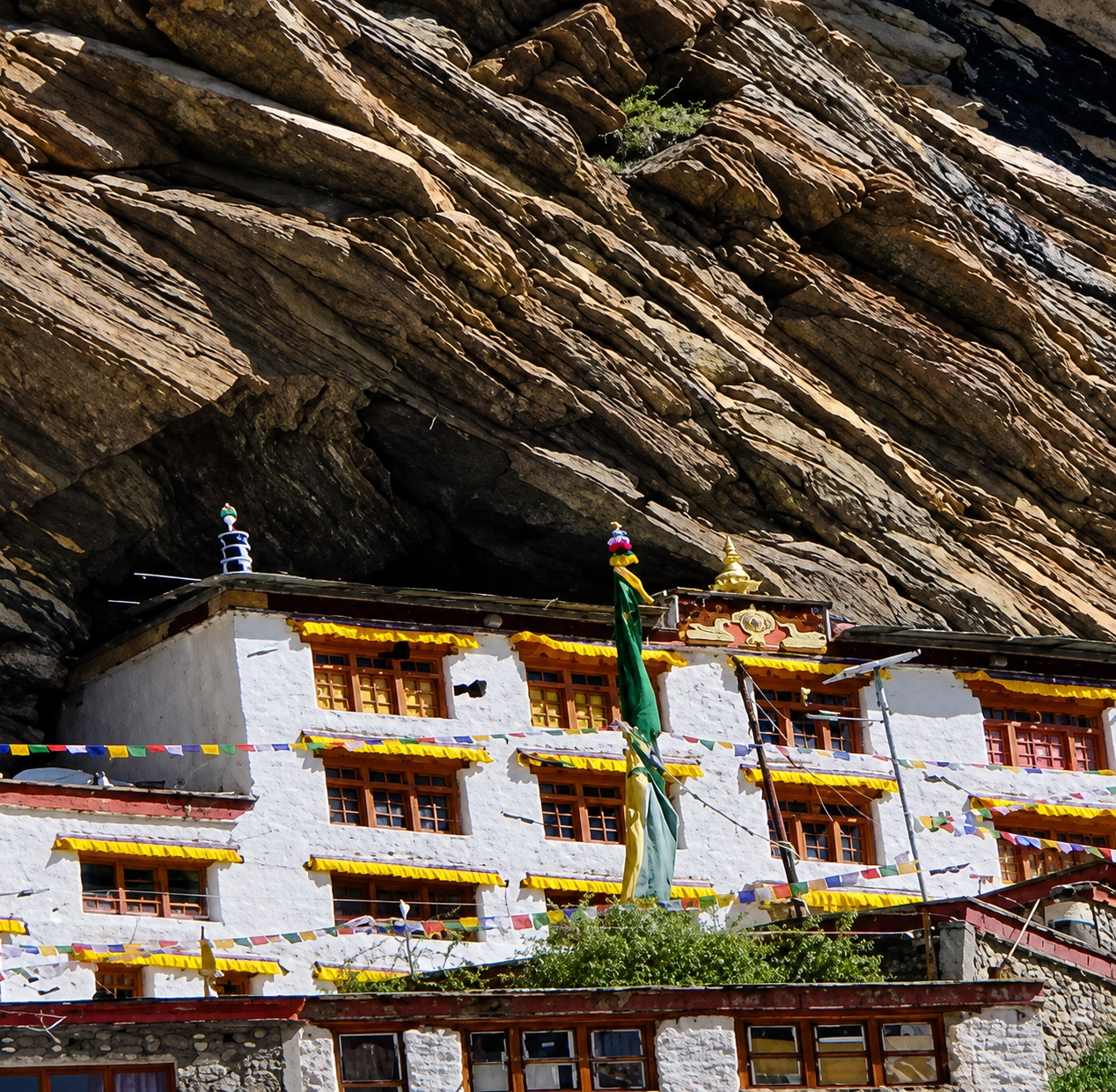
Steeped in mysticism, Zongkhul is tied to the Mahasiddha Naropa, who meditated here in the 11th century. The monastery is built around the Phugmoche cave, where Naropa’s arrow is said to have struck the rock. It follows the Lho-druk Kagyud tradition and is renowned for its incredible rock-insulated structure and the artistic legacy of master carver Zadpa Dorje.
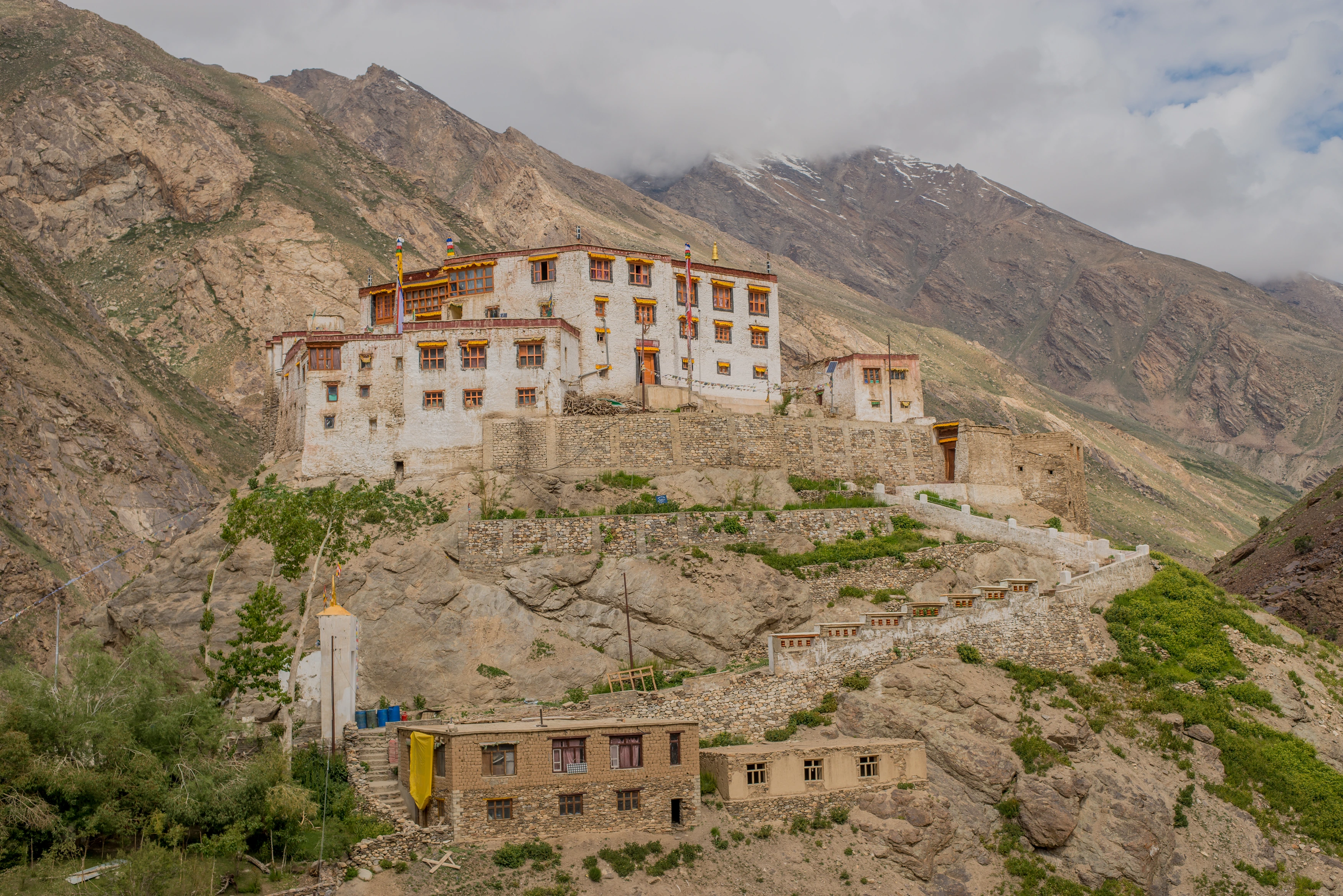
Located atop a rocky outcrop in the Lugnak Valley, Bardan Gompa was built in the 17th century. Following the Drukpa Kagyu lineage, it serves as a spiritual nucleus for the local community. The main prayer hall is accessed via a triangular courtyard and contains ancient statues and small stupas crafted from bronze, clay, and copper.
Unlike other Zanskari monasteries, Sani Gompa stands on flat land and is built in the shape of a fortress. It houses the 20-foot high Kanika Chorten, believed to date back to the time of Emperor Kanishka. The monastery is uniquely associated with Guru Padmasambhava and Yogi Niropa, and features a rare, wonderful plantation of ancient poplar trees.
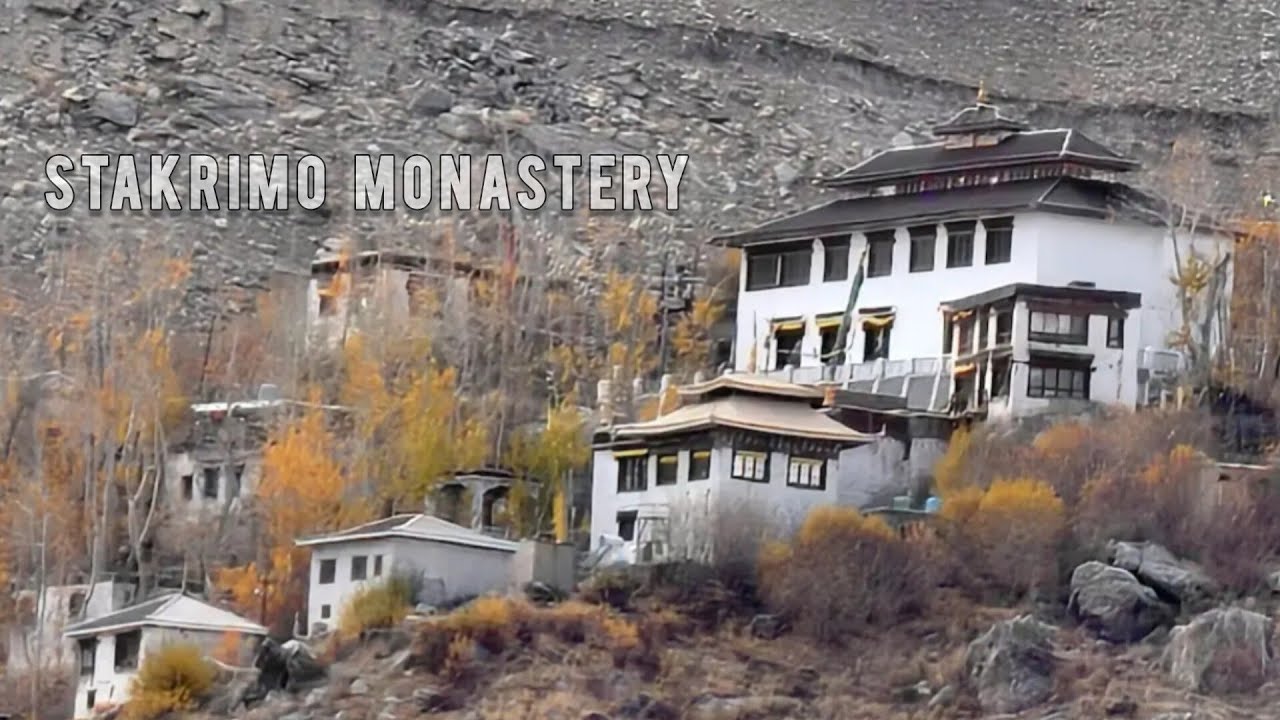
Perched above Padum town, Stakrimo means "Tiger Image," named after a natural tiger formation on a nearby precipice. Built in the 16th or 17th century, it was once a royal retreat. Today, it remains a center for Mahamudra chanting. In winter, the monks sustain themselves by storing ice, maintaining their spiritual practices through the harshest Himalayan conditions.
Founded in 1052 AD, Stongdey is the second-largest monastery in Zanskar. Managed by the successors of Nari Tulku, it belongs to the Gelugpa order. Its strategic position atop a rocky cliff offers the best panoramic views of the entire Zanskar region. The annual Gustor festival here is a vibrant display of local handicrafts and sacred masked dances.
Nestled in the Lungnag Valley, Mune Monastery is a branch of the Thiksey Monastery. It was established for monks to practice meditation and the Trimul fasting tradition. Adorned with thangkas and statues, it represents a serene retreat where the traditions of Tibet’s Tashi Lhunpo Monastery continue to flourish amidst breathtaking alpine landscapes.